How to Avoid Poor Solder Wetting in PCB Soldering
One weak solder joint can kill an entire production run. Poor solder wetting is one of the most common issues in the soldering process, which

How to Avoid Poor Solder Wetting in PCB Soldering
One weak solder joint can kill an entire production run. Poor solder wetting is one of the most common issues in the soldering process, which
Lead Solder vs Lead-Free Solder: A Comprehensive Comparison
Lead solder has been the mainstream choice in PCB manufacturing for the past few decades due to its economical and low melting point. However, with
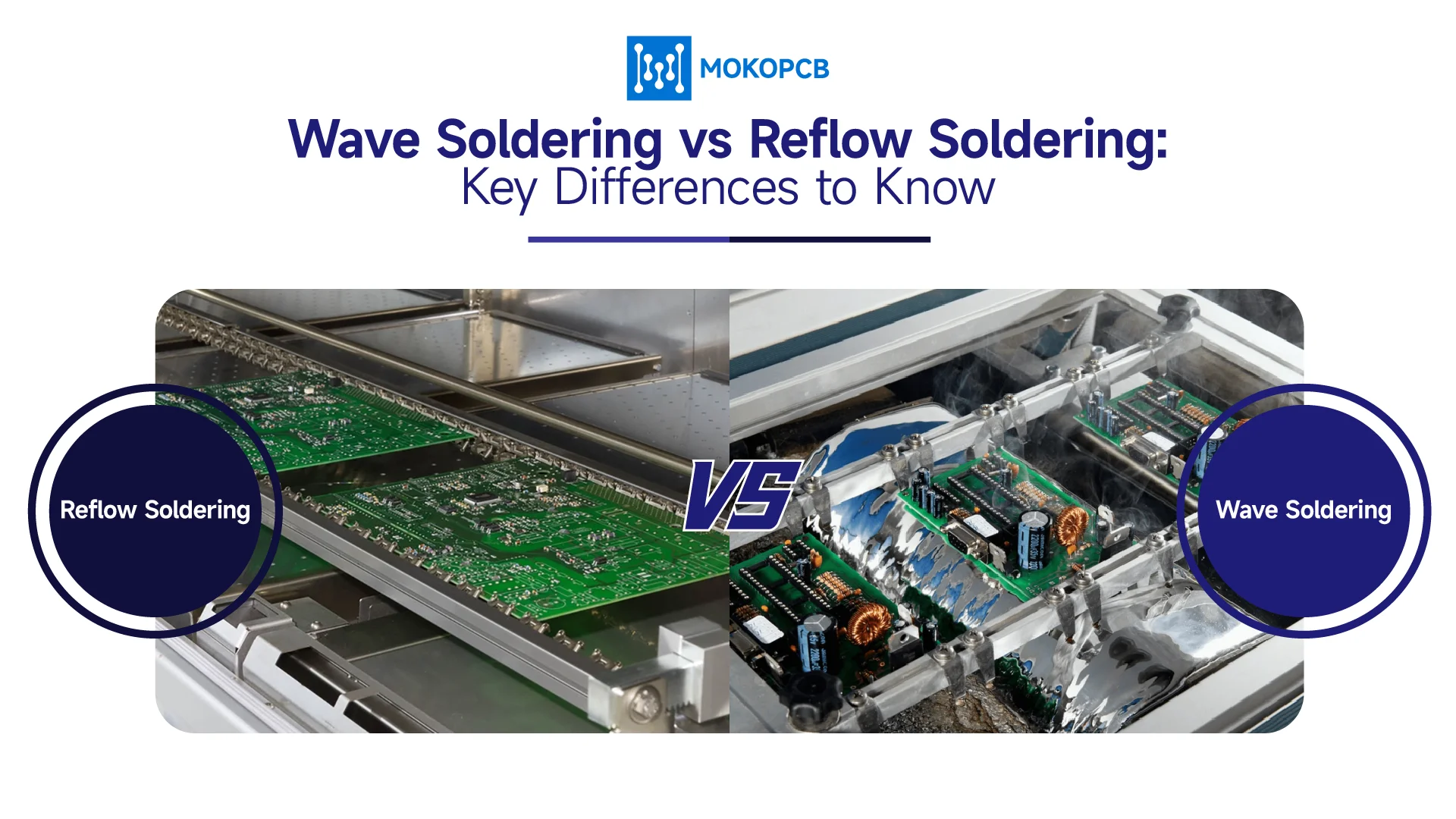
Wave Soldering vs Reflow Soldering: Key Differences to Know
Soldering is the key step in the PCB assembly process, attaching components on the board to perform the intended function of PCBAs. The soldering quality
What Causes PCB Delamination and How to Prevent It
PCB delamination refers to the layers within the board separating, weakening the circuit board structure, and influencing performance. This defect commonly occurs during PCB manufacturing,
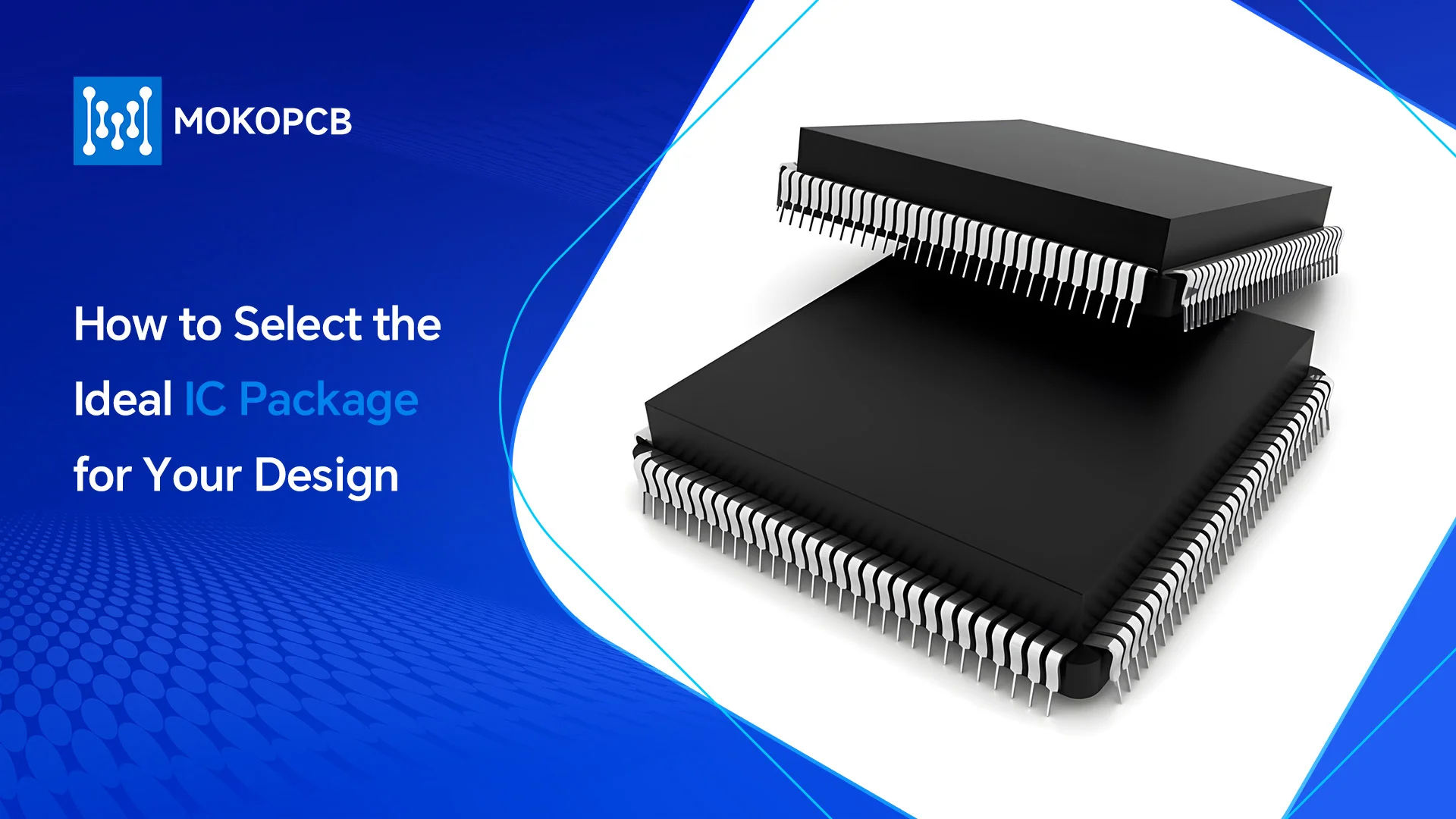
How to Select the Ideal IC Package for Your Design
An IC Package serves as an enclosure to shield the integrated circuit from external influences, such as moisture, physical damage, and dust. Except for the housing,
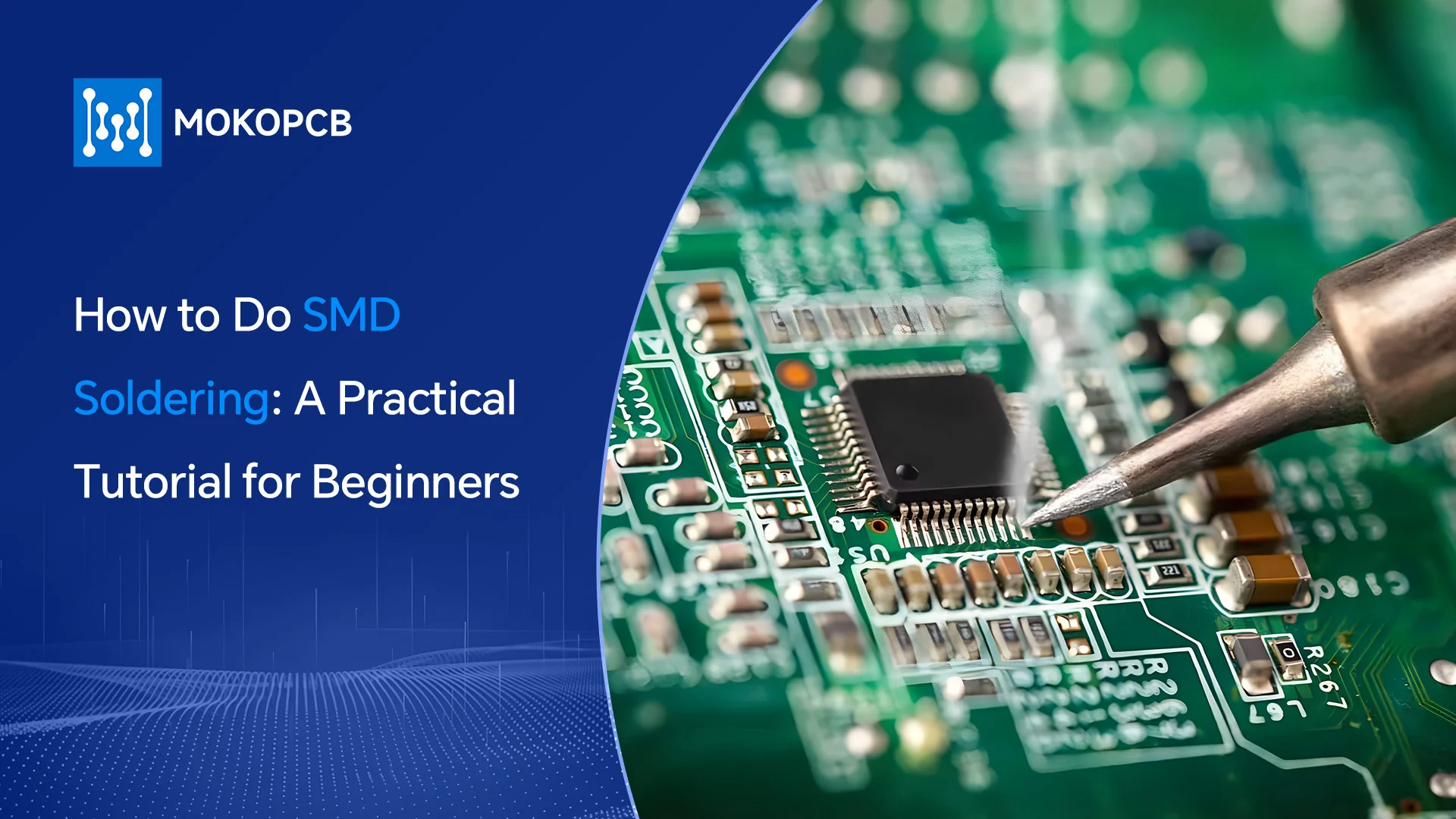
How to Do SMD Soldering: A Practical Tutorial for Beginners
As PCBs become increasingly small, THT components are not an ideal option, as they occupy larger spaces on the boards. Surface-mount components that save board
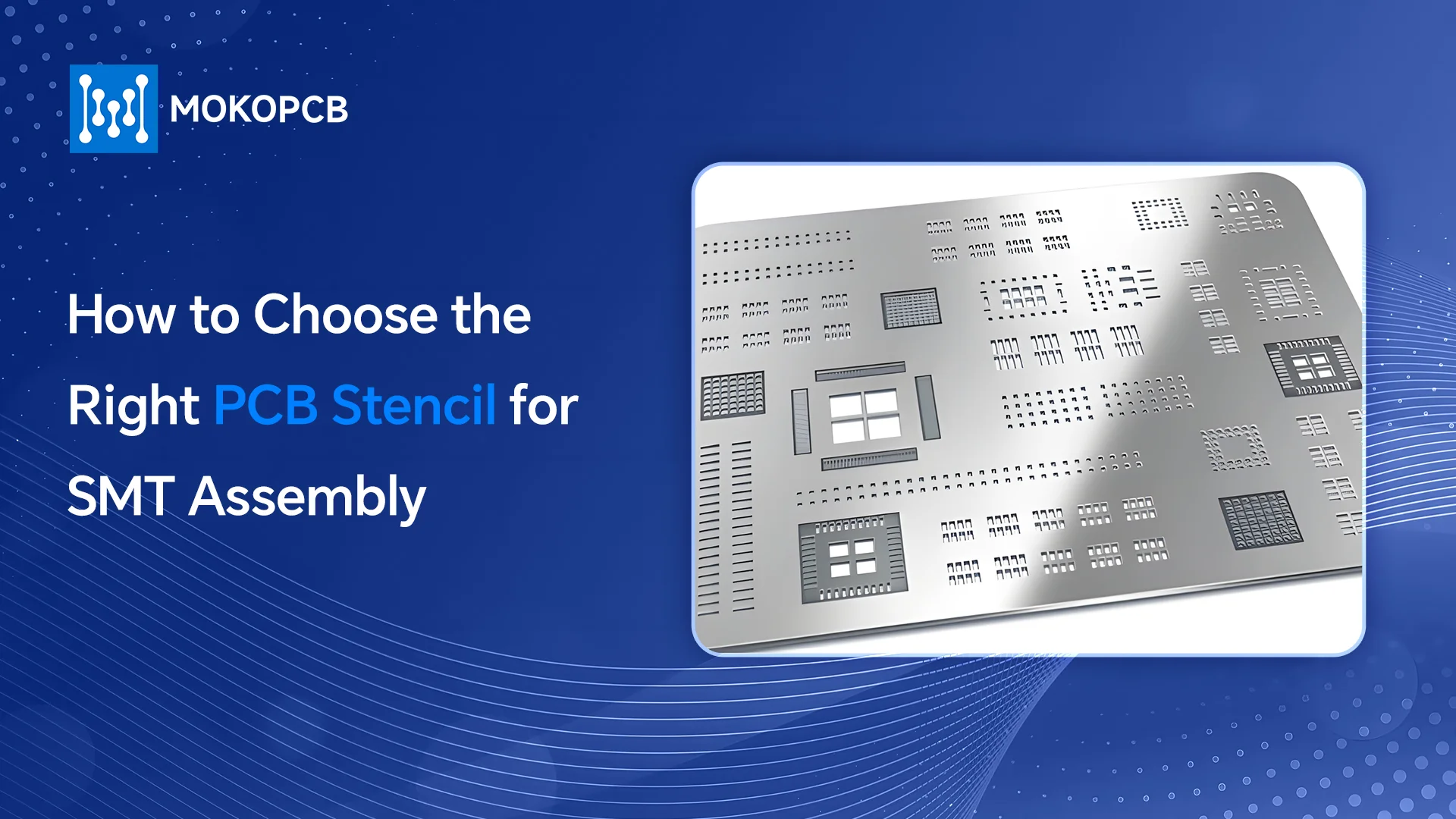
How to Choose the Right PCB Stencil for SMT Assembly
SMT (surface mount technology) is a core technology in PCB assembly. As placement accuracy and component density keep rising, solder paste printing demands greater precision.
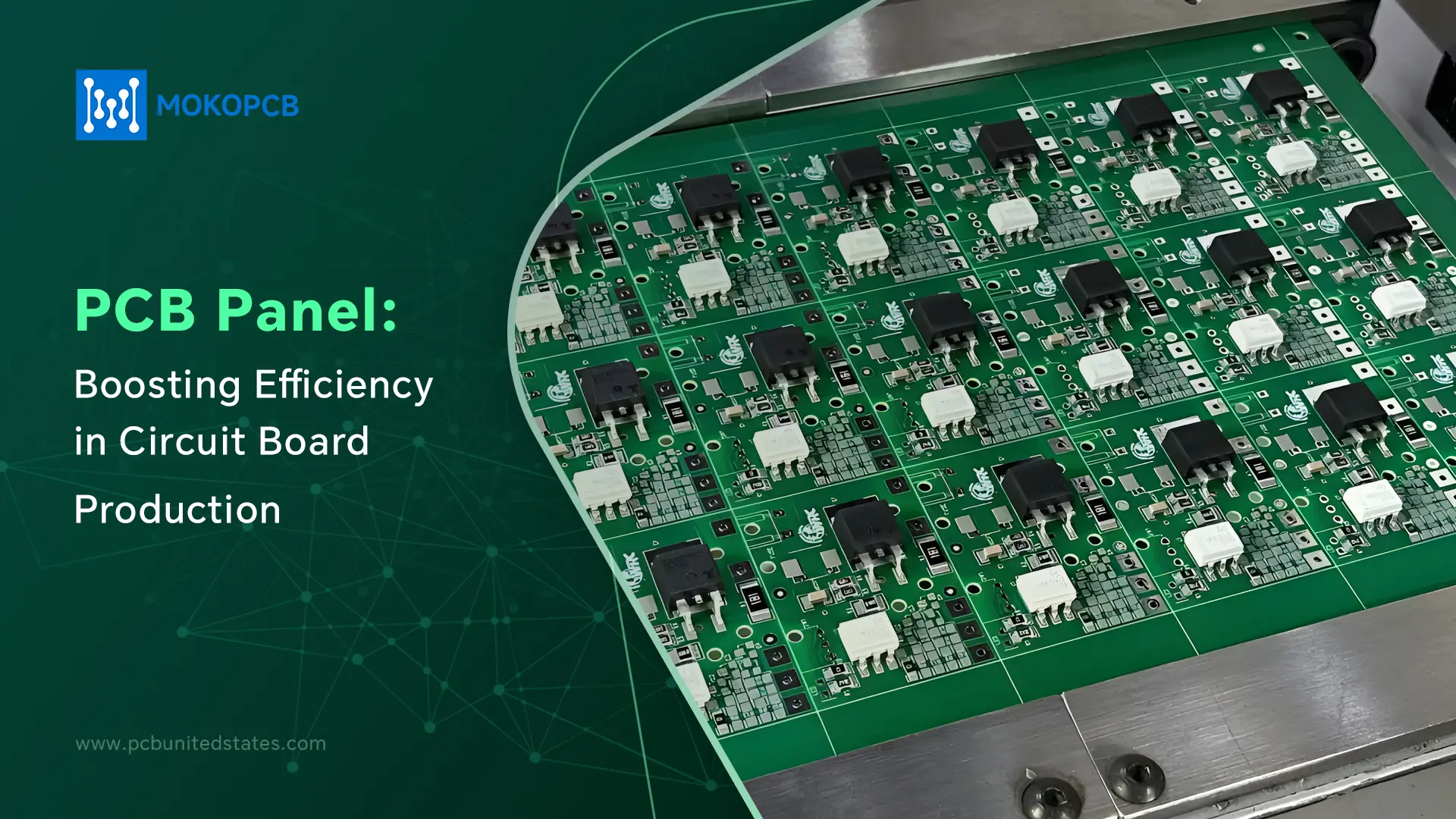
PCB Panel: Boosting Efficiency in Circuit Board Production
PCB panelization is an important step in the circuit board production. A PCB panel combines many small printed circuit boards into one larger board. Compared to producing PCBs individually, panelization
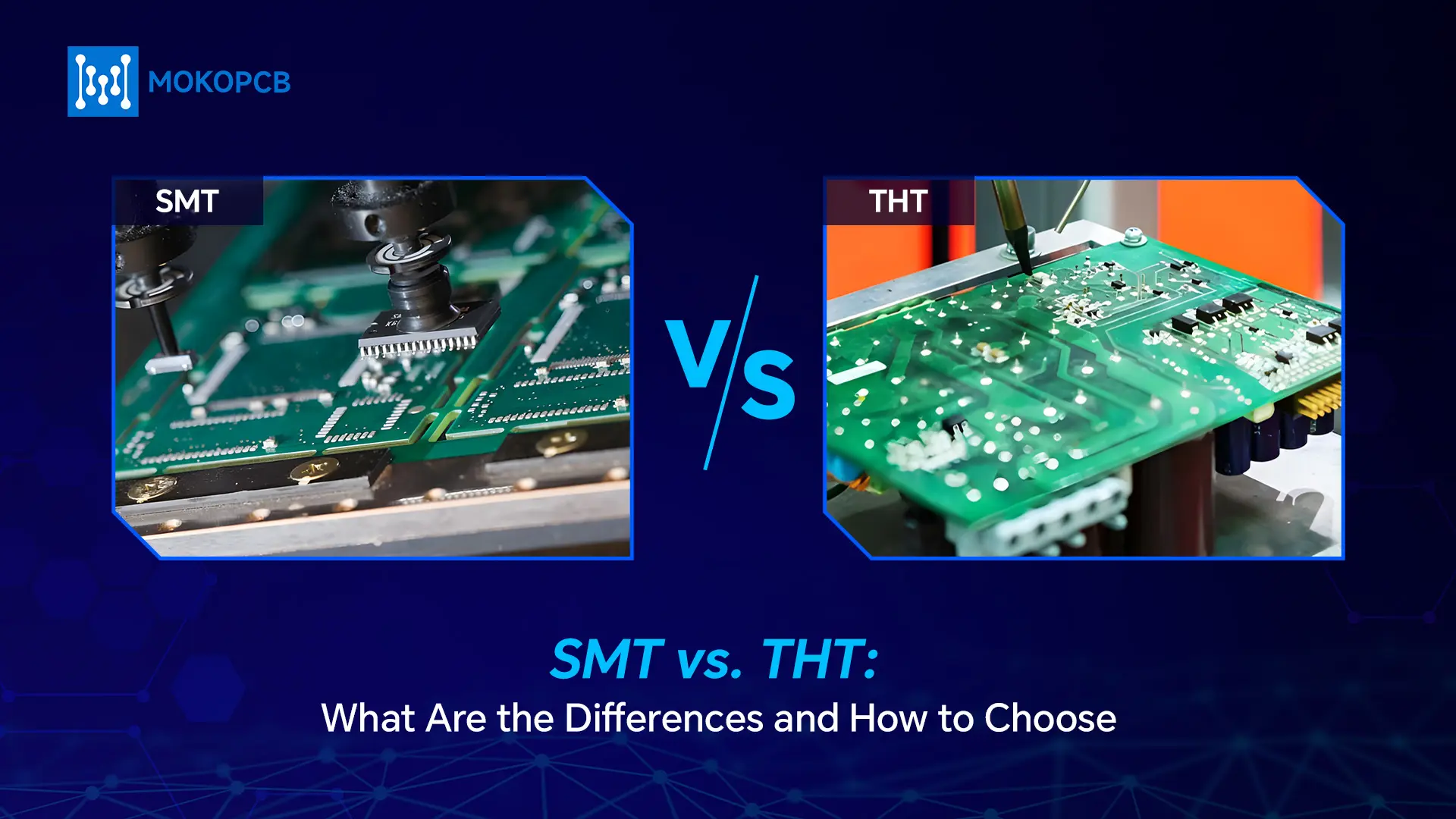
SMT vs. THT: What Are the Differences and How to Choose
The assembly process involves installing the necessary components on the blank PCB. There are two commonly used methods: SMT vs. THT. Both feature distinct characteristics